


Does Your Child Need a Multivitamin? A Dietitian Explains What to Look For



Disclosure: This post contains affiliate links, which won’t change your price but will earn us a commission.
If your child survives on beige foods, refuses vegetables, or seems to catch every cold that goes around, you may be wondering whether a multivitamin could help.
As a pediatric dietitian, one of the most common questions I hear from parents is: “Does my child need a vitamin supplement?”
The answer depends on your child’s diet, growth, and health history. In this article, I’ll explain when supplements may be helpful, what nutrients picky eaters are most likely to miss, and How to select a good multivitamin for your child.
Quick tips:
- Most healthy children do not need a multivitamin. Though if you’re worried, they can provide some nutritional ‘insurance’
- Vitamin D is recommended for many Canadian children, especially during winter.
- Picky eaters who avoid meat, dairy, or fish may benefit from a multivitamin and targeted supplements.
- Gummies contain fewer vitamins and minerals than chewable tablets.
- A dietitian can help determine whether your child has nutritional gaps and could benefit from a supplement.
Does My Child Need a Multivitamin?
Not all children need a multivitamin. As a pediatric dietitian, I assess which nutrients may be missing from your child’s food records, and target those gaps.
One across-the-board recommendation is that all children (and adults) could use a Vitamin D supplement. At least in the winter here in Canada, due to our high latitude, our skin doesn’t make much vitamin. D, even when it comes in contact with the winter sun. And in the summer, we’re usually slathered in sunscreen, so still not making Vitamin D.
But if your kiddo eats a reasonably healthy diet, it likely provides all the nutrients they need. But if you’re still concerend, one of the main benefits of multivitamins is that they allow parents to relax. And may help decrease the urge to pressure or force their child to eat. Which is a good thing, as pressure most often backfires!
Do Picky Eaters Need Multivitamins?
What about those picky eaters who avoid many foods and sometimes even entire food groups?
It’s most often meat, which is avoided, which may put them at risk for low iron intake.
Children who don’t eat fish regularly may miss out on DHA and EPA, omega-3 fats that support brain development.
Or if your child avoids drinking milk or milk alternatives, this could lead to a potential calcium shortage.
If your child has autism or ADHD, they may have additional nutrient needs, as they often have lower blood vitamin and mineral levels.
So if you’re worried your child isn’t meeting the requirements, a Registered Dietitian can take a look at your child’s food records and tell you where he or she is falling short.
Are Multivitamins Safe for Children?
For most healthy children, a standard children’s multivitamin taken as directed is considered safe. They supply small amounts of nutrients that don’t lead to risk of overdose at recommended dosages. However, supplements should complement a healthy diet, rather than replace it.
However, there might be a safety risk if your child thinks the vitamins are candy. If they get hold of the entire jar and eat them like candy, they could be at risk of overdose.
How to Select a Good Multivitamin for your Child
1) Iron: Which supplement you choose depends on your child’s diet. For example. if they avoid meat, you might want to find a multivitamin with iron. Or a separate low-dose iron supplement. Yet most multivitamins for kids don’t contain iron (and the multivitamin gummies never do).
It’s hard for many kids to get enough iron, and their diets often fall short. If you’re worried that your little one isn’t getting enough iron, here are some signs and symptoms of deficiency you can watch for:
- Slow weight gain
- Little appetite
- Pale skin
- Always tired
- Poor immunity (often sick).
2) Calcium: If your child is low in calcium, look for one with more calcium. Multivitamins often contain low doses of calcium, so you may need to add a separate calcium supplement on the recommendation of your dietitian, pharmacist, or doctor.
3) Some multivitamins don’t contain many vitamins or minerals (most likely with the gummies). I like to see a broad range of both vitamins and minerals in a supplement. This is often called a “broad spectrum” supplement.
4) Third-party certification is something you want to look for, too. They are voluntary, expensive, and therefore not always in the supplement industry.
Supplements are tested for ingredient quality, quantity, and purity. They are assessed for levels of contaminants like heavy metals and pesticides. And testing confirms that the vitamins and minerals listed on the supplement label match the amounts actually in the product.
5) You may also want to avoid certain ingredients, such as artificial colourings and sweeteners.
Best Form of Multivitamin for Kids
If your child will accept a different form, avoid gummy vitamins. Not only do they stick to your child’s teeth, but they’re mostly gelatin and sugar. And contain very few actual vitamins and minerals.
Liquid, powder and chewable tabs are more nutrient-dense than gummy vitamins. I find it by far the easiest to take a chewable tablet. With powder, you have to find an appropriate food to mix it into, like yogurt, applesauce, or a smoothie. And if your child doesn’t eat the food, the vitamin goes in the trash with it.
Best Multivitamins for Picky Eaters
USANA Usanimals
These supplements include 24 vitamins and minerals, which is more than most others.
Usanimals include nutrients like magnesium, zinc and biotin, which can be difficult to get enough of through the diet
Each tablet contains 2mg of iron and 500 IU of Vitamin D. The instructions suggest taking 1-2 tablets daily for ages 2-12.
These supplements come in a hard, chewable form in animal shapes. And are sweetened with sugar (fructose and cane syrup) and stevia.
You have to order Usana supplements online. Click here for a 10% discount (affiliate link).
Hiya Kids Daily Multivitamin

Hiya is also a hard chewable multivitamin, with a dosage of 1 tablet for ages 3-18. The Kids Daily Multivitamin (affiliate link) contains 15 vitamins and minerals, including 1000 IU of Vitamin D and 3mg of zinc (which can be deficient in non-meat-eaters!). And biotin and iodine, which we often don’t get enough of in our diet.
Hiya supplements are third-party tested, sweetened with monk fruit, and contain no added sugar or artificial dyes. They come with a reusable metal bottle (in Barbie or Hot Wheels themes, if you prefer) in your first order, which your child can decorate with stickers and refill packs. These are also available for online subscription and are shipped to your home.
Grocery store options
If you’re looking for a cheaper, easier-to-access multivitamin, Flintstones Complete (with or without iron) and Jamieson are good options. They’re both hard chewable tablets. The Flintstones vitamins bring me back to my childhood! It doesn’t state information about the sweeteners and colourings on their website, other than “aspartame-free”. The Jamieson’s Multivitamin Chewable with Iron contains 4mg of iron, natural colourings and sorbitol and sucralose as sweeteners.
Other supplements to consider:
Iron
Kids Iron Needs:
Age 1 to 3 years: 7 mg
Age 4 to 8 years: 10mg
Age 9 to 13 years:8 mg
If your child’s multivitamin doesn’t contain iron, and they don’t eat meat, you may want to consider adding a low-dose iron supplement. Like KidsStar Bio Fe chewable tablets, which contain 5mg of iron.
Or Hiya offers a separate Kids Daily Iron +, which contains 7mg of iron carbonyl and a bit of vitamin C to boost absorption.
Probiotics
Different probiotics have different functions, whether it’s helping with colic, constipation or immunity. Check out this site to help you choose the right probiotic.
Here are a few options: HMF fit for school (affiliate link) contains 1000 IU of Vitamin D, 50mg of Vitamin C, and a blend of 4 probiotics in a hard, chewable, blackberry-flavoured tablet.
One study has been published showing that this supplement reduced the incidence of Upper Respiratory Tract Infections in children by 33%.
These are a bit pricey to offer my three children every day. But I do give them occasionally when there’s a bug going around. Or when we’re about to go on vacation, and I want to keep everyone healthy!
Hiya has a kids probiotic (affiliate link) as well, which contains multiple strains, including L rhamnosus, which has been shown to help prevent antibiotic-associated diarrhea and may help with allergies too.
Vitamin D
Depending on the amount of Vitamin D in your child’s other vitamins, you may or may not require an extra dose.
Currently, the recommended intake of children aged 1-10 years is 600 IU (some organizations believe it should be higher).
I’ve always found D-Drops (affiliate link) easiest to give. And it doesn’t have to be every day. A few drops every few days is fine, too!
Fish Oil
Most kids don’t tend to love fish. If your child doesn’t eat fish twice weekly, you might want to offer a fish oil supplement.
The DHA and EPA omega-3 fats in fish can’t be found in other sources of omega-3 fats (ALA) like walnuts, flax or canola oil. DHA is vital for brain development and can support optimal learning and behaviour.
Fish oil isn’t a supplement that I offer daily, but occasionally, when I realize we haven’t had much fish lately.
Personally, my favourite fish oil supplement (because it’s tastier and easier than the liquid ones) is the NOW Omega-3 Gummy Chews (affiliate link). They’re sweetened with xylitol and stevia and actually taste good!
Nordic Naturals (affiliate link) is one popular brand and comes in kid-friendly flavours like Strawberry.
Greens
Does your child avoid all fruits and veggies? I don’t usually worry too much about the lack of veggies. If your child eats fruit, the same nutrients are present in fruit and veggies. But that doesn’t mean you should give up – I do have some tips for encouraging vegetable intake here.
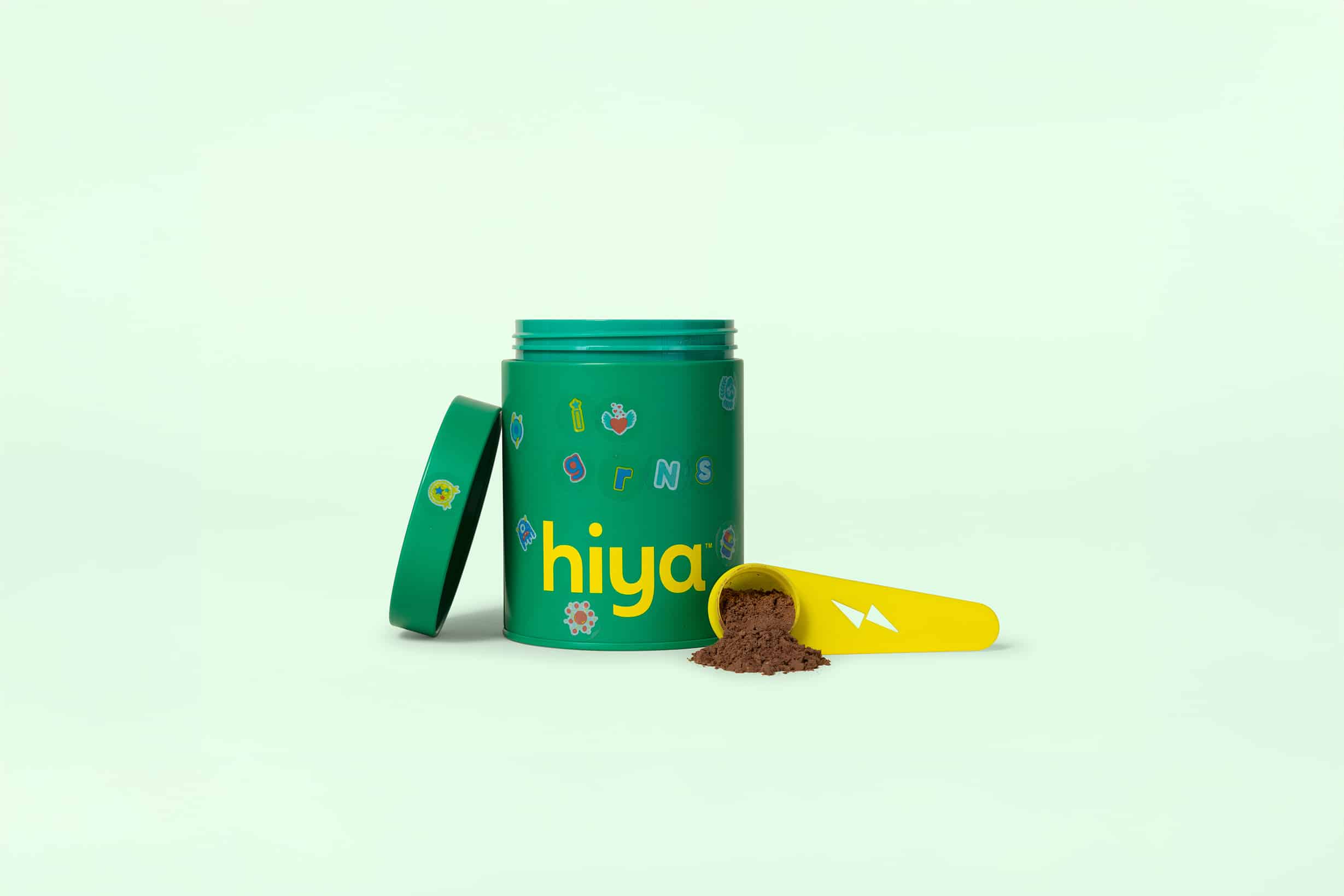
If you would feel more comfortable adding some greens to your child’s diet, Hiya offers Kids Daily Greens + Superfoods (affiliate link). It comes in chocolate or vanilla powder form, and you mix it into milk. It contains 55 whole-food sourced ingredients, including organic fruits and vegetables like alfalfa, wheatgrass and turmeric – all nutritious but unlikely to be eaten by kids!
Another option is Juice Plus. If your child strongly prefers gummies, this might be an option (though it’s not a broad-spectrum multivitamin). The kid’s gummy chews are sugary – make sure to serve them with a meal or snack to protect the teeth. For my full review on Juice Plus, check out this post.
Calcium
Here are the recommended intakes for calcium for kids:
- Ages 1 to 3 years: 700 milligrams (mg)
- Ages 4 to 8 years: 1,000 mg
- Ages 9 to 18 years: 1,300 mg
Considering that dairy is the best source, and one cup of milk contains about 300 mg – it’s easy to see why many kids fall short of meeting their recommendations through food.
For children who don’t consume dairy or fortified alternatives regularly, a calcium supplement may be required.
Kids are unlikely to swallow large calcium tablets, but luckily, calcium supplements are also available as effervescent tablets that dissolve in water, liquid form, and gummies.
All of the calcium gummies I looked at contain calcium phosphate as the source of calcium. The problem is that most of us don’t need extra phosphate. We get adequate amounts from our diet, and it’s also present in some food additives and soft drinks.
SISU Calcium Magnesium Citrates Liquid (affiliate link)with D3 comes in Blueberry Parfait or Creamy Strawberry flavours. The ½ tablespoon dose for kids contains 250mg of calcium citrate along with magnesium and vitamin D. Calcium citrate is absorbed easily and can be taken on an empty or full stomach.
Progressive Complete Calcium (affiliate link) hard chewables are another good option, containing 250mg calcium citrate per tablet, plus magnesium, Vitamin D and Vitamin K2, which also help support strong bones. As a bonus, these supplements also contain essential fatty acids, such as flaxseed and fish oil, as well as fruit & vegetable concentrates.
When Should You Seek Professional Advice?
Talk to your doctor if your child:
- Is losing weight or not growing as expected
- Has extreme food restrictions
- Avoids entire food groups
- Has low iron levels or anemia (they’ll need a higher dose supplement)
- Has digestive symptoms that affect eating
- Takes medications that affect nutrient absorption
Summary Table of Supplement Options for Kids
| Supplement | When it May Help | Key Nutrients |
| Multivitamin | General nutritional insurance | Vitamins & Minerals |
| Iron | Children who eat little or no meat | Iron |
| Vitamin D | Most Canadian children in the winter or year round if wearing sunscreen | Vitamin D |
| Fish Oil | Children who don’t eat fish | Omega 3 (DHA & EPA) |
| Calcium | Children who don’t get 2-3 servings of dairy/fortified alternative daily | Calcium |
| Probiotics | Specific digestive or immune concerns | Beneficial bacteria |
Conclusion: How to select a good multivitamin for your child
Most children don’t need a cupboard full of supplements. Of course a balanced diet remains the best source of nutrition.
However, some children (especially picky eaters who avoid meat, fish, dairy, or multiple food groups) may benefit from targeted supplementation.
If you’re unsure whether your child is getting enough nutrients, a pediatric dietitian can review their diet and help you decide whether supplements are necessary and which ones make the most sense.
Concerned about your child’s nutrition? Check out my free Picky Eater Action Guide: How to use nuggets & fries to teach your kids to try new foods.

Founder of First Step Nutrition | Registered Dietitian Nutritionist
As a Registered Dietitian, mom of three, Jennifer's mission is to help make feeding families easier
She works with parents, healthcare professionals, Early Childhood Educators, media, and brands to spread the message that raising happy, well-nourished eaters with a healthy relationship with food doesn't have to be a battle.
No Comments