
Calling all RDs, SLPs, and OTs ready to be the
go-to expert in complex pediatric feeding cases!

Finally, a clinical network with expert mentorship, real case support, and done-for-you tools you can use in your very next session.

"This network has been a one-stop shop for all things picky eating. The trainings have been invaluable and I love ALL of them, including all the rich discussions that we have. The topics presented are innovative and relevant. I'm so grateful to be a part of this network."

Angie's head shot
Angie
Registered Dietitian

You’re here because at some point in your career, a child sat across from you living on Dino nuggets, NutriGrain bars, and Pop-Tarts. You offered your best clinical advice that you were taught would help.

But the parent sighed with frustration and responded, “We’ve already tried that. It didn’t work.”

And just like that, you felt completely stuck.

You wanted to help. You thought you’d be able to help. But instead, you left the appointment second-guessing everything and feeling like you didn’t make a difference at all.

Even with all your training and experience, this wasn’t something you felt fully equipped to handle.

It’s not your fault. Extreme picky eating, ARFID, PFD, and other pediatric feeding challenges like these aren’t covered in most programs—at least not in a way that prepares you for real-life cases.

If any of this sounds familiar, you’re not alone. Parents are frustrated, have tried everything, and need YOUR help. And you’re exactly who the Pediatric Feeding Network was built for.

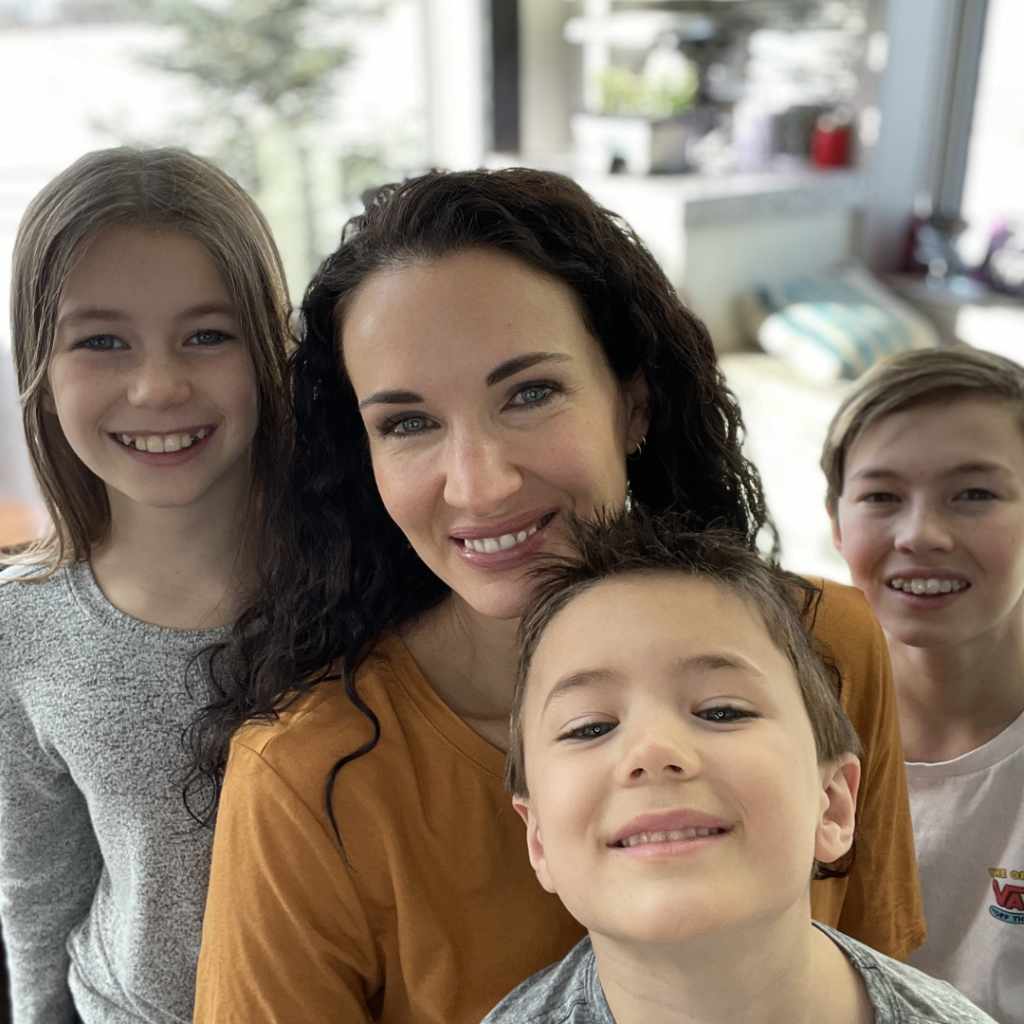
I’ve been there, too. Not just as a Registered Dietitian, but as a mom of three (including one very selective eater). I know what it’s like to want to help and still feel unsure what to do next.

That’s why I created the kind of support I wished existed when I was stuck: A space where healthcare professionals can get real-time guidance, expert mentorship, and the tools to feel confident again, even in the trickiest feeding cases.

Hi, I’m Jennifer…

I help dietitians move from feeling unqualified and stuck to confident and competent when working with severe picky eaters.

I’m a mom of three kids, a Registered Dietitian with a BSc and MSc in nutrition and have owned First Step Nutrition for 18 years. I have extensive training in helping selective eaters, including Kay Toomey’s Sequential Oral Sensory training.

I’m passionate about helping families break the cycle of diet culture and forceful feeding methods. I’ve helped hundreds of clients with feeding their families.

And this is why I created The Pediatric Feeding Network: to help dietitians uncover why children struggle with eating and apply next-level, practical strategies to treat severe picky eating.

“Within the Picky Eating Network, Jessica and Jennifer summarized the information in a way that really opened my eyes. I can really use it with my clients because it’s condensed.”
Namrita Duggal
Registered Dietitian, Canada
On-Demand Learning, Without the Pressure

No need to binge or start from the beginning. This is not a course you have to “get through,” it’s a growing resource library built to support you exactly when a challenge comes up.

Whether you’re stuck on a current case, prepping for a tricky session, or just looking to deepen your skills in a specific area — these quick, practical training sessions are here when you need them.

Each one is focused, actionable, and designed with your limited time in mind.

  • Define ‘picky eater,’ ‘problem feeding’ & ‘Pediatric Feeding Disorder’
  • Diagnose reasons for picky eating from medical to oral motor, sensory, family meal dynamics & caregivers relationship with food
  • Determine when to involve other health care providers in the child’s care plan
  • Assess growth and nutrition
  • Apply with a case study example of a full assessment
  • Complete a literature review of the research behind the Division of Responsibility (DOR) in feeding
  • Learn how to break down the DOR and construct a plan for teaching these concepts to parents
  • Review how to apply the DOR in three case studies (a problem feeder, a child with growth concerns and a “sweet-obsessed” child)
  • Identify which 8 senses are used in eating and warning signs a child might be an over or under-responder in all of these senses
  • Review play-based activities for each of the senses
  • Determine how to make it easier for children to eat and expand their food selection
  • Summarize a case study of how to apply these strategies in a child with multiple sensory challenges
  • Define responsive feeding
  • Compare responsive feeding to other forms of treatment for picky eaters
  • Recognize how responsive feeding can work for problem feeders or children with autism or ARFID
  • Apply responsive feeding treatment in a case study of a problem feeder
  • Determine why children with autism may have difficulty eating, including the prevalence and specific challenges that are common
  • Review evidence for popular dietary supplements and diets for treating autism and whether they work
  • Apply strategies to treat children with autism in a case study
  • Review normal oral motor development and how to support this in children
  • Assess oral motor red flags
  • Discuss tools and exercises to support oral motor development
  • Summarize oral motor treatment strategies with multiple case studies of children with different oral motor challenges
  • Review of the Division of Responsibility & discuss how the model changes when feeding pre-teen/teenagers
  • Give children more responsibility on their own and for family meals & cooking
  • Review a case study of an adolescent with weight gain and how to address it using DOR
  • Review senses required for eating
  • Adapt sensory strategies for the pre-teen/teenager
  • Food Chaining: modify foods by texture and colour and taste examples
  • Review sensory strategies with a case study of a pre-teen, using ‘food exploration’ and food chaining
Guest Speaker: Diana K Rice, RD
  • Identify the importance of a parent’s relationship with food on long-term mental and physical health
  • Recognize red flags that may indicate a parent’s own disordered eating when seeking out nutrition care for their child
  • Evaluate a parent’s food behaviors that are relevant to the child’s care and recognize when to refer the parent onto more intensive care by another practitioner
  • Discuss strategies for encouraging a healthy relationship with body and weight for the whole family

Guest Speaker Annie-Pier Dumoulin, DMD (dentist)

  • Understand the conditions required for the harmonious development of the face
  • Detect the signs of abnormal dentofacial development and the possible impacts on overall health
  • Know when and to whom to refer as part of an interdisciplinary approach
  • Understand normal development of facial structure
  • Detect the signs of abnormal facial development
  • Discuss the potential impacts on overall health and feeding/eating
  • Know when and to whom to refer as part of an interdisciplinary approach
Guest Speaker: Grace Wong MSc, RD, CEDS-S
  • Identify key elements of Family-Based Treatment (FBT)-ARFID and Cognitive Behaviour Therapy for Avoidant Restrictive Food Intake Disorder (CBT-AR)
  • Identify clinical application tools of Responsive Feeding Therapy
  • Identify 2 treatment considerations of ARFID from a critical perspective
Guest Speaker: Sarah Rosensweet
  • What are different parenting styles and how do they affect feeding?
  • How to work with families who don’t have a responsive parenting style.
  • How to set and enforce feeding boundaries
  • How to get teens to talk
Guest speaker: Natasha Daniels, child therapist
  • Describe anxiety and obsessive compulsive disorder
  • Discuss the relationship between anxiety, OCD, and picky eating habits
  • Explore strategies to identify and manage the challenges observed in this population
Guest speaker: Kristen Kaszuba, OT
  • Discuss the concept of interoception, its role in feeding and sensory processing, and how it relates to picky eaters
  • Explore the role of impaired interoception and recognize the signs that may indicate an interoceptive challenge
  • Discuss practical strategies and interventions to improve interoception in picky eaters

Guest Speaker: Karen Dilfer, OT with the Get Permission Institute
  • Discuss the term “felt safety,” what it is, and why it matters at the table
  • Understand common mistakes that lead to dysregulation
  • Discuss how to incorporate evidence-based strategies to support feeding and allow for “felt safety”
Guest speaker: Kelly Fitzpatrick, SLP
  • Identify key indicators that signal a child may benefit from feeding therapy.
  • Analyze how a child’s developmental stage, particularly their cognitive development, impacts feeding therapy strategies, therapist interactions and the evolving relationship with food over time.
  • Recognize and respond to the child’s cues with effective strategies, fostering learning and caregiver responsiveness.

-Explain the relationship between diet, nutritional deficiencies, and ADHD symptoms.
-Recognize specific nutrients and dietary patterns that support cognitive function and focus in individuals with ADHD.
-Assess current research on the efficacy of dietary interventions for ADHD, including elimination diets and supplementation.
-Create individualized nutrition plans and strategies to support families in implementing ADHD-friendly dietary approaches.

Guest Speakers: Melissa Schwartz, Julie Freedman-Smith, Sara Rose Whaley

-Understand Parent Perspectives: Identify common factors that contribute to parent resistance, frustration, or conflict in professional settings.
-Apply Communication Strategies: Utilize effective communication techniques, such as active listening and de-escalation, to foster constructive dialogue with challenging parents.
-Build Trust and Rapport: Develop strategies to establish and maintain trust, even in strained relationships.
-Navigate Difficult Situations: Address common conflict scenarios with practical problem-solving tools and techniques.
-Create Collaborative Solutions: Implement methods for transforming conflict into collaboration by aligning goals and empowering parents to actively engage in decision-making processes.

Sumner Brooks, RD joins us to:

  1. Learn at least two ways Intuitive Eating for kids differs from Intuitive Eating for adults when working with caregivers in the nutrition counseling setting
  2. Identify two behaviors parents and caregivers can do to support a child to have a trusting and positive relationship with food
  1. Describe what it means to provide a flexible and reliable feeding routine
  1. State at least two ways dietitians can assess for disordered eating or an eating disorder when working with caregivers

Upcoming Live Training

February 2026

Promoting Engagement & Connection at Mealtimes Through a Polyvagal-Informed Lens with Lindsay Beckerman, OT

May 2026

How Gastrointestinal Disorders Impact Pediatric Feeding with Kelly Fitzpatrick, SLP

September 2026

TBD, based on member interests

The Pediatric Feeding Network

Your Membership Includes:

Real-time case support + mentorship

Get guidance on your toughest cases through our member community or unlimited 1:1 coaching with Jen. Whether you're stuck mid-treatment or just want feedback before presenting your plan, no more frantically googling, trying to muddle through on your own.

A library of online trainings and four live online trainings a year

Watch what you need, when you need it, learning next-level skills to confidently assess and treat severe picky eating. Go beyond the Division of Responsibility with practical, evidence-informed strategies & case studies.

Done-for-you tools and handouts

Downloadable materials you can customize and share with families — no more spending hours on Canva creating from scratch. Save time and offer clear, professional resources without reinventing the wheel.

20 CPEU Credits ($25 per credit!)

Meet your professional requirements on-demand while gaining practical, confidence-building skills that directly improve picky eating outcomes — without conferences, travel, or wasted time.

AI Assistant trained on network content

Links tricky cases directly to the most relevant lessons, handouts and frameworks included inside the membership. Get clear, tailored guidance on your tough cases in seconds for more confidence and less burnout..

“The sensory training was extremely interesting and I definitely will be incorporating what I learned into my practice.”
Paola Figari
Registered Dietitian, Ecuador
“The customizable handouts & tools made my practice sooooooo much easier and just that has paid off in and of itself.”
Diana K Rice
Registered Dietitian, USA
A final note from Jen before you go…

As healthcare professionals, it’s an honour for us to be able to help families make meals more peaceful. To remove the never-ending stress of feeding a selective eater and assist in raising kids who have a healthy relationship with food and their bodies.

This is an extremely important job that can have lifelong impacts on a child. So thank you for doing this work!

One thing I can say for certain is that Pediatric Feeding Network members never regret getting the support!

Imagine how it would feel to confidently identify why a child is struggling with eating, have practical, actionable tools and offer clear, concrete guidance to families. To feel confident, competent, and fulfilled, knowing you are making a positive impact on children’s health and well-being.

I know that’s possible for you.

The best time to start is now!

And if you decide to join The Pediatric Feeding Network, know that I’m honored to be your guide on this journey of supporting families.

“I love how the training events within the Picky Eating Network are multidisciplinary. As a registered dietitian, I don’t have all the answers so working together is so rich."
Emmanuelle Dumoulin
Registered Dietitian, Canada